
You’re biting into an apple when you feel it: a sudden sharp pain that makes you wince. Or maybe you’ve been noticing sensitivity to cold drinks for weeks, along with occasional discomfort when you chew. You suspect a crack, but the tooth doesn’t hurt constantly, so you tell yourself it can wait. You have time to deal with it later, right?
Unfortunately, ignoring a cracked tooth rarely ends well. At West Atlanta Endodontics, Dr. David Norrington and Dr. James Smithson II have treated countless patients who waited too long to address a crack. What starts as a manageable problem can spiral into infection, severe pain, and even tooth loss. Understanding what happens when cracks go untreated can help you make informed decisions about your dental health.
How Tooth Cracks Develop and Worsen
Teeth crack for many reasons. You might bite down on something hard like ice, popcorn kernels, or hard candy. Grinding or clenching your teeth, especially at night, puts constant pressure on your enamel. According to the American Dental Association, over 70% of dentists noticed signs of teeth grinding and clenching in their patients in a 2021 survey, an increase of nearly 10% over the previous year.
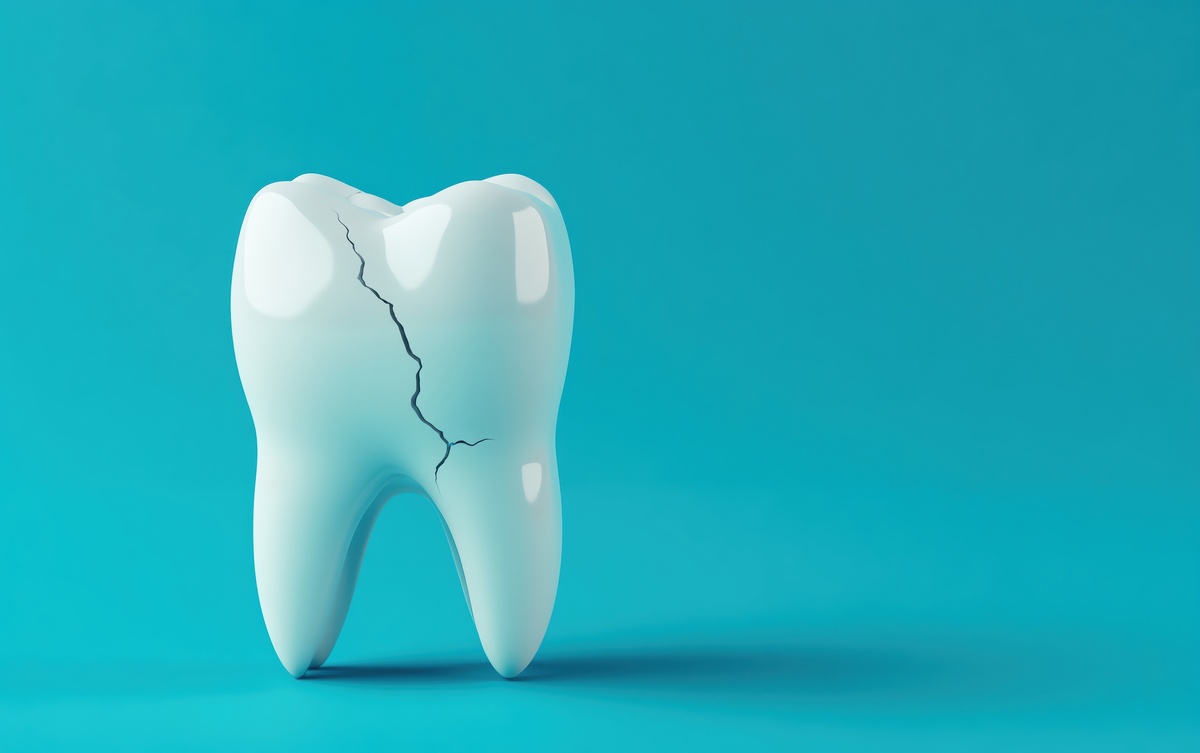
Once a crack forms, it doesn’t stay the same size. Every time you chew, pressure spreads the crack deeper into your tooth. Temperature changes from hot and cold foods cause your tooth to expand and contract, gradually widening the fracture. Some cracks start microscopic and invisible, but over time these hairline fractures extend through the enamel, into the dentin, and eventually reach the pulp containing your tooth’s nerve and blood supply.
The Progressive Damage Timeline
Tooth cracks follow a predictable pattern of deterioration when left untreated. In the early stage, you experience occasional sensitivity to temperature or pressure. The crack affects only the outer enamel, and treatment at this point is relatively simple.
As the crack extends into the dentin layer, sensitivity increases and becomes more frequent. According to the American Dental Association, dentin contains microscopic tubules that allow heat, cold, and acidic foods to reach the nerves inside your tooth when its protective covering is compromised.
Once the crack reaches the pulp, bacteria enter the inner tooth and infection develops. You’ll likely experience persistent pain, especially when biting down. At this stage, a root canal becomes necessary to save the tooth. In the final stage, the crack extends below the gum line into the root. The tooth may split into separate pieces, and extraction often becomes the only option.
When Tooth Cracks Become Medical Emergencies
When bacteria enter a cracked tooth, the infection doesn’t stay contained. An abscessed tooth occurs when bacteria enters the pulp through decay, periodontal disease, or a cracked tooth, causing infection and pus buildup.
The infection creates pressure inside your tooth, leading to intense, throbbing pain. Swelling develops in your gums, and you might notice a pimple-like bump where your body tries to drain the infection. Left untreated, the infection spreads beyond your tooth into the surrounding bone and soft tissue. Your face may swell, and you might develop a fever. In rare but serious cases, dental infections can spread to your jaw, neck, or even your bloodstream.
We offer same-day emergency appointments when you’re experiencing severe pain or signs of infection. Don’t wait for symptoms to become unbearable before seeking help.
Treatment Options at Different Stages of Cracked Teeth
The treatment you need depends on when you address the crack:
- Minor cracks limited to enamel: Your dentist may smooth rough edges or place a protective sealant. Sometimes no immediate treatment is needed beyond monitoring.
- Cracks extending into dentin: Bonding, veneers, or crowns can protect the tooth and prevent further damage. These restorations strengthen the tooth structure and seal out bacteria.
- Cracks reaching the pulp: Root canal treatment removes infected tissue while saving your natural tooth. We clean and seal the inner tooth, then your dentist places a crown for protection.
- Vertical root fractures: These cracks extend from the chewing surface down into the root. They often require extraction, though some teeth may qualify for surgical treatment.
Dr. Norrington and Dr. James Smithson use advanced diagnostic tools including cone beam CT imaging and surgical microscopes to accurately assess crack depth and location. This precision helps us recommend the most appropriate treatment for your specific situation.
Get Expert Care for Cracked Teeth Today
Dr. David Norrington brings an engineering background from Georgia Tech to his endodontic practice, approaching complex crack cases with analytical precision. Dr. James Smithson II shares this commitment to thorough evaluation and careful treatment planning. Both doctors use surgical microscopes that provide up to 25 times magnification, allowing them to detect even hairline cracks.
We limit our schedule to six root canals per day, giving us adequate time to thoroughly assess your cracked tooth and discuss all available options. Our Marietta and Cartersville locations serve patients throughout metro Atlanta. Although we’re out-of-network with insurance companies, our staff calculates your insurance benefits so you only pay your estimated portion upfront. Contact West Atlanta Endodontics if you suspect you have a cracked tooth. Early evaluation and treatment give you the best chance of saving your tooth and avoiding serious complications.