
Root Canal Therapy in Marietta, GA
When tooth pain won’t go away, every meal and every conversation feels harder than it should. An infected or damaged tooth needs attention quickly, and root canal therapy is the most reliable way to stop that pain and keep your natural tooth. Modern endodontic techniques have made the procedure far more comfortable than most people expect, and the results last a lifetime with proper care.
At West Atlanta Endodontics, our four-doctor team focuses exclusively on root canal therapy and related procedures. We limit our schedule to a select number of cases per day, significantly fewer than most practices, so every patient receives focused, unhurried care. Using surgical microscopes, cone beam CT imaging, and Ion Plus biocompatible sealer, we bring a level of precision to Marietta, GA that most general dentists cannot match.
What Root Canal Therapy Treats
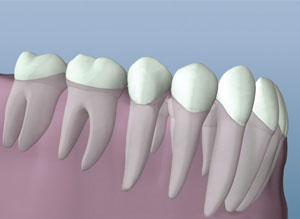
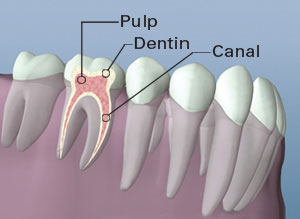
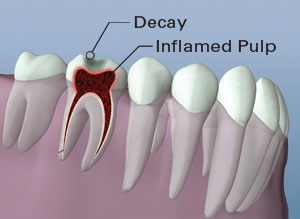
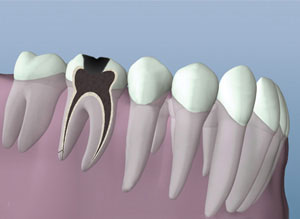
Root canal therapy becomes necessary when the pulp inside your tooth, the layer containing nerves, blood vessels, and connective tissue, becomes infected or inflamed. Deep decay, a crack, or a traumatic injury can all allow bacteria to reach the pulp. Once that happens, the infection causes significant pain and, if left untreated, can spread into the surrounding bone and neighboring teeth.
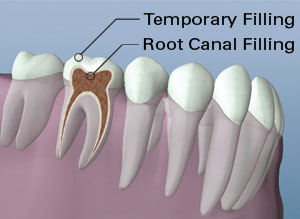
During treatment, your endodontist removes the infected pulp, cleans and shapes the root canals with specialized instruments, and seals the space with a biocompatible material to prevent reinfection. This process eliminates the source of pain while preserving the tooth’s structure. According to the American Association of Endodontists, more than 15 million root canals are performed each year, making it one of the most common and well-established procedures in dentistry.
Root canal therapy performed by an endodontist carries a higher success rate than treatment done by a general dentist. Endodontists complete two or more additional years of post-dental school training focused entirely on the pulp and root systems of teeth. At West Atlanta Endodontics, our team uses operating microscopes for every procedure, giving us visibility into the root canal anatomy that the naked eye simply cannot achieve. Most patients are surprised by how routine the experience feels, and how quickly they feel better once the source of infection is gone.
Benefits of Root Canal Therapy
- Pain relief: Removing the infected pulp eliminates the source of the toothache immediately.
- Tooth preservation: Keeping your natural tooth maintains proper bite, jaw alignment, and prevents neighboring teeth from shifting.
- Faster recovery than extraction: Replacing a lost tooth with an implant requires multiple procedures over several months. A root canal resolves the problem in one or two visits.
- Long-term durability: With a crown placed by your general dentist after treatment, a restored tooth can last as long as your natural teeth.
Signs You May Need a Root Canal
Recognizing the signs of pulp damage helps you get treatment before an infection spreads. Severe, persistent tooth pain that doesn’t improve on its own is the most common indicator, especially pain when biting down or applying pressure. You may also notice that sensitivity to hot or cold temperatures lingers well after the source is removed, which signals that the nerve inside the tooth is inflamed.
Other warning signs include:
- Swelling or tenderness in the gums near the painful tooth
- A small pimple-like bump on the gums that may drain fluid
- Darkening or visible discoloration of the tooth
- Pain that radiates to the jaw, ear, or other teeth
- A tooth that previously had a deep filling or crown that’s now causing new discomfort
Some infections develop with very few symptoms, which is why regular checkups with your general dentist matter. Your dentist can identify early-stage pulp problems through X-rays and clinical examination before the pain becomes severe, and refer you to an endodontist while treatment is still straightforward.
What to Expect During Root Canal Therapy
Root Canal Therapy in Marietta, GA
What to Expect at West Atlanta Endodontics
From your first call to same-day relief — here’s how the process works.
|
1
Same-day emergency appointments available
|
2
Examination with cone beam CT imaging
|
3
Microscope-assisted root canal therapy
|
4
Return to your general dentist for final crown
|
Your visit begins with a thorough examination. Our endodontists will review your symptoms, take cone beam CT images to get a three-dimensional view of the tooth and surrounding bone, and walk you through exactly what they find before anything else happens. Many patients find that this conversation alone eases most of their anxiety, because knowing what’s coming makes the procedure far less intimidating.
Once you’re ready, local anesthesia is administered to fully numb the area. For patients who experience dental anxiety, nitrous oxide sedation is available throughout the appointment. Our doctors never rush: their schedule is intentionally limited to allow each case the time it deserves, which means no watching the clock and no feeling like you’re being moved along.
After the area is completely numb, a small opening is made in the tooth to access the pulp chamber. Using surgical microscopes, the infected tissue is carefully removed, the canals are cleaned and shaped with precision instruments, and the space is sealed with Ion Plus biocompatible sealer, a material chosen for its compatibility with the body and long-term sealing effectiveness. Most patients leave the appointment feeling significant relief compared to the pain they had before treatment.
Recovery and Aftercare
Mild tenderness in the treated area is normal for a few days after root canal therapy as the surrounding tissues settle. Over-the-counter pain relievers handle most of this discomfort effectively, and the majority of patients return to their normal routine within 24 hours. Detailed aftercare instructions are provided at the end of your appointment, and the team is available to answer any questions during your recovery.
Your tooth will need a permanent crown placed by your general dentist, typically within a few weeks of root canal treatment. Until that crown is placed, avoid chewing hard foods on the treated side. The crown restores full function and protects the tooth from fracture — without it, even a successfully treated tooth can crack over time.
With a crown in place and consistent oral hygiene, teeth that have undergone root canal therapy can last as long as your natural teeth. Brush twice daily, floss regularly, and keep up with your dental checkups to protect the investment.
Out-of-Network Benefits and Payment Options
West Atlanta Endodontics is out-of-network with most PPO plans. As an out-of-network provider, we handle the insurance paperwork on your behalf, verifying your benefits and calculating your estimated patient portion before treatment begins, so there are no surprises at checkout. Most patients with out-of-network benefits receive meaningful coverage for endodontic procedures.
Being out-of-network is also what allows our doctors to limit their daily caseload. In-network practices are often pressured to see high volumes of patients to offset reduced reimbursement rates. At West Atlanta Endodontics, each case receives the time it actually requires, not the time that fits a packed schedule. That means more thorough treatment and a calmer, more attentive experience from start to finish.
If you have questions about your specific coverage before scheduling, the team is happy to walk you through what to expect based on your plan. The goal is to make sure you have a clear picture before you commit to anything.
Root Canal Therapy in Marietta, GA: Frequently Asked Questions
Does a root canal hurt?
Most patients are surprised by how little discomfort they feel during the procedure. Local anesthesia fully numbs the area before treatment begins, and nitrous oxide sedation is available for patients who experience dental anxiety. The days after treatment may involve mild tenderness, but the pain from the infection itself, which brought you in, is relieved quickly once the infected pulp is removed.
How do I know if I need a root canal or an extraction?
In most cases, a root canal is the preferred option because it preserves your natural tooth. Extractions require replacement with an implant or bridge to prevent neighboring teeth from shifting, which adds both time and cost. An endodontist can assess the tooth and give you a clear recommendation. If the tooth is restorable, root canal therapy followed by a crown is almost always the better long-term choice.
Why should I see an endodontist instead of my general dentist?
Endodontists complete two or more additional years of post-dental school training focused exclusively on the root canals and pulp systems of teeth. At West Atlanta Endodontics, every procedure is performed under a surgical operating microscope and guided by cone beam CT imaging, tools that most general dental offices don’t have. This level of precision leads to more thorough cleaning, better visualization of complex root anatomy, and higher long-term success rates.
How many appointments does root canal treatment take?
Most root canals at West Atlanta Endodontics are completed in one or two appointments. The number depends on the complexity of your tooth’s root anatomy and the extent of the infection. After treatment is complete, you’ll return to your general dentist for a permanent crown, which is typically placed a few weeks later once healing is confirmed.
Does West Atlanta Endodontics accept my insurance?
West Atlanta Endodontics is out-of-network with most PPO plans. We verify your benefits and calculate your estimated patient portion before treatment begins, so there are no surprises. Most patients with out-of-network benefits receive meaningful reimbursement. If you’d like an estimate of your coverage before scheduling, the team is happy to help.
Schedule Root Canal Therapy in Marietta, GA
Our team has built West Atlanta Endodontics on a philosophy that puts patient comfort and clinical thoroughness ahead of volume. With same-day appointments available for patients in acute pain, relief is closer than you might think. Every procedure is performed under a surgical microscope with cone beam CT guidance, using proven biocompatible materials designed to last.
If your general dentist has referred you for root canal therapy, or if you’re experiencing tooth pain and want an evaluation, contact our office to schedule your appointment. West Atlanta Endodontics also welcomes endodontic retreatment cases where a previous root canal needs to be redone.
Root canal therapy requires more than a standard exam
Standard X-rays routinely miss hidden pulp infections and complex root anatomy. The right diagnostic tools determine whether internal damage is found early, or missed until it requires extraction.
West Atlanta Endodontics is out-of-network with most PPO plans. Your benefits are verified and your estimated costs are calculated before treatment begins.
Four-doctor practice. Every root canal performed under a surgical microscope.

Engineering background from Georgia Tech. DMD, Medical University of South Carolina, finished top of his class. Endodontic residency at the University of Alabama. Private practice since 2007.
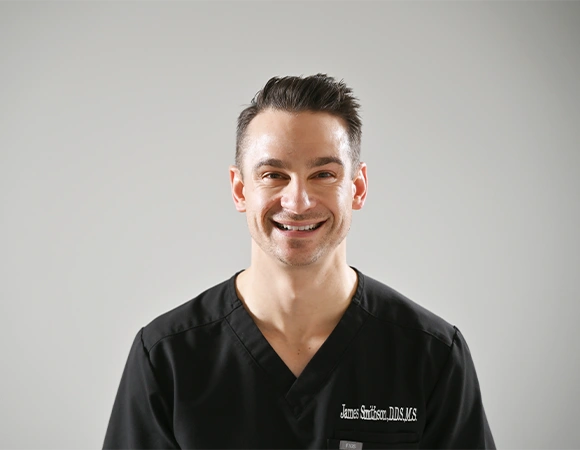
MS and Specialty Certificate in Endodontics. Limits daily caseload to deliver focused care. Uses cone beam CT, surgical microscopes, ultrasonic irrigation, and Ion Plus sealer on every case.

Chemical engineering background from Georgia Tech. DDS from Case Western Reserve. Completed an Advanced Endodontics Residency through the US Army. Served 26 years in the Army Dental Corps, retiring in 2021.
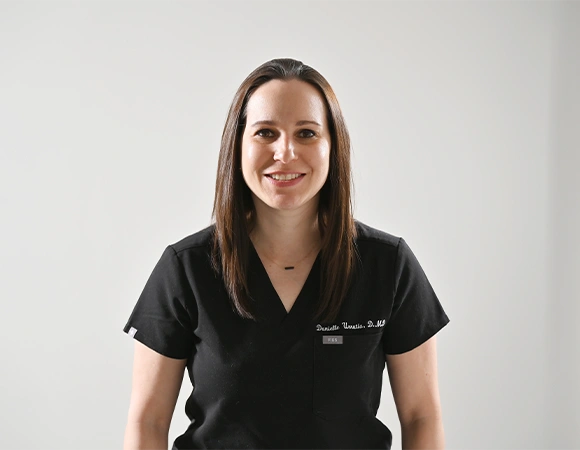
Undergraduate studies at FIU. DMD from LECOM dental school. General dentistry residency in North Carolina. Two-year Endodontic Residency at NYU Langone.