
Dental Emergency?Same-Day Appointments Available.

Traumatic Dental Injuries in Marietta, GA

A dental injury can happen in seconds, whether from a collision on the field, a fall, or an unexpected impact, and the next few hours matter more than most people realize. Traumatic dental injuries affect the pulp, roots, and supporting structures of teeth, and without prompt care from an endodontist, a tooth that could have been saved is often lost. The good news is that fast, precise treatment dramatically improves outcomes.

At West Atlanta Endodontics, our board-trained endodontists treat traumatic dental injuries at our endodontic practice in Marietta, GA. Same-day emergency appointments are available for patients experiencing acute trauma, because when it comes to a knocked-out or severely fractured tooth, every minute counts.

Types of Traumatic Dental Injuries We Treat

Dental trauma covers a wide range of injuries, and the right treatment depends on exactly what happened to the tooth and its internal structures. According to the National Institutes of Health, dental trauma is the most common oral injury worldwide, with nearly 900 million people affected, and the majority of cases involve patients under age 20.

Chipped or Fractured Teeth

Small chips to the enamel can often be bonded by your general dentist, but fractures that reach the inner dentin or pulp are a different matter. When a crack extends deep enough to expose the nerve, infection risk rises quickly. An endodontist can assess whether the fracture is restorable and, if so, perform root canal therapy to remove damaged tissue before the tooth is crowned by your general dentist.

Dislodged or Knocked-Out Teeth

A tooth pushed sideways, deeper into the socket, or partially out of position is called a luxation injury. A tooth completely knocked out is called an avulsion. Both require immediate attention, as avulsed teeth have the best chance of survival when reimplanted within 30 minutes. Handle the tooth by the crown only, keep it moist in milk or saliva, and call the office immediately.

Root Fractures

Root fractures occur below the gum line and are invisible without imaging. A tooth may look intact on the outside while the root has split or cracked internally, disrupting blood supply to the pulp. Cone beam CT imaging is essential for diagnosing these injuries accurately, as standard X-rays often miss horizontal root fractures entirely.

Pulp Damage from Trauma

Even when a tooth remains physically in place after an accident, the impact can damage or sever the nerve and blood supply inside. The tooth may darken over time or become painful weeks or months later. Internal injuries like these require monitoring and, in many cases, root canal treatment to prevent abscess formation.

What to Do After a Dental Accident or Injury

The actions you take in the first 30–60 minutes after a dental injury directly affect whether a tooth can be saved. Here is what to do for the most common scenarios:

Injury type Immediate action Time sensitivity
Knocked-out tooth Hold by crown only. Store in milk or between cheek and gum. Do not scrub the root. Within 30 minutes
Cracked or fractured tooth Rinse with warm water. Apply cold compress to face. Avoid chewing on that side. Same day
Dislodged (pushed sideways or deeper) Do not attempt to reposition. Keep the area clean and call immediately. Within hours
Soft tissue injury with tooth pain Control bleeding with gauze. Apply cold compress. Note when pain started and what happened. Same day

Even if pain lessens on its own in the hours after an injury, the tooth still requires evaluation. Internal damage to the pulp does not always produce immediate symptoms — and a tooth that feels fine today can develop an abscess weeks later without any warning.

How We Diagnose and Treat Dental Trauma in Marietta

Not all dental trauma is visible on the surface. A tooth can look normal after an accident while the root is fractured or the pulp’s blood supply has been severed. At West Atlanta Endodontics, every trauma case begins with a thorough evaluation that goes beyond what a standard X-ray can show.

Our endodontists start with a clinical examination, assessing tooth mobility, gum tissue, and any visible fractures. From there, pulp vitality testing checks whether the nerve inside the tooth is still responding, and cone beam CT imaging provides a three-dimensional view of the root and surrounding bone that a flat X-ray cannot capture. This level of detail is what makes the difference between identifying a treatable injury and missing a hidden fracture that leads to eventual tooth loss.

Once the full picture is clear, treatment is matched to the injury:

  • Root canal therapy for injuries where the pulp has been damaged or infected
  • Tooth stabilization and splinting for luxated or reimplanted teeth
  • Apicoectomy when a root tip cannot be treated through conventional root canal therapy
  • Monitoring and follow-up for injuries where the pulp is still viable but needs observation over time

Dental Trauma Emergency — Marietta, GA

Same-Day Emergency Appointments Available

Here is how we handle trauma cases from your first call to treatment.

1
Call, same-day slots held for trauma patients
2
Cone beam CT imaging and vitality testing
3
Microscope-guided treatment, root canal, splinting, or surgery
4
Follow-up monitoring, trauma injuries need long-term tracking
Get Emergency Care Now

Long-Term Follow-Up After Dental Trauma

Successful dental trauma treatment does not end at the first appointment. Traumatized teeth, even those that received appropriate care immediately after the injury, can develop complications months or years later. The pulp may gradually lose vitality, internal root resorption can begin quietly, and periapical lesions can form without symptoms until they become significant problems.

At West Atlanta Endodontics, follow-up appointments are a structured part of trauma care, not an afterthought. Our endodontists track the status of treated teeth using serial radiographs and vitality testing over a defined monitoring period. Catching early changes, such as a slight shift in pulp response or a subtle shadow on imaging, allows for intervention before a minor issue becomes tooth loss.

This long-term approach is part of what makes endodontic trauma care different from emergency dentistry. General practitioners can stabilize and provide temporary relief, but the ongoing monitoring, re-treatment planning, and access to surgical options like apicoectomy require the focused training and equipment that an endodontic practice provides.

Frequently Asked Questions About Dental Trauma in Marietta, GA

What should I do if I knock out a tooth?

Pick up the tooth by the crown, never touching the root surface. If it is dirty, rinse it gently with water for no more than 10 seconds. Try to reinsert it into the socket and bite down gently on gauze to hold it in place, or store it in milk or between your cheek and gum. Call West Atlanta Endodontics immediately. Reimplantation within 30 minutes gives the best chance of the tooth surviving long-term.

Do all dental trauma injuries require a root canal?

No, not every traumatic injury requires root canal therapy. Minor enamel chips without nerve involvement, small luxation injuries, and some fractures can be managed with bonding, splinting, or monitoring alone. The key is proper diagnosis. An endodontist can determine whether the pulp has been damaged and whether treatment is needed now or can be watched over time.

How soon should I see an endodontist after an accident?

As soon as possible. For knocked-out or severely displaced teeth, within the hour. For fractures, cracks, or pain after impact, same-day care is strongly recommended even if the tooth seems stable. Internal damage is often invisible without imaging, and delaying evaluation allows infection to develop in what could otherwise be a treatable tooth.

Can a tooth that turns dark after trauma still be saved?

Sometimes. Discoloration after trauma often signals that the pulp has been damaged or has died, but it does not automatically mean the tooth is lost. An endodontist will assess the pulp’s vitality and the integrity of the root structure. If the tooth is restorable, root canal therapy can stop the progression of damage and in some cases the color can improve after treatment.

What symptoms should I watch for after a dental injury?

Some warning signs appear immediately, but others can develop hours or days later. Watch for tooth mobility, sensitivity to temperature, darkening of the tooth, swelling around the gums, or discomfort when biting. In many cases the pulp may be damaged even when the tooth looks intact from the outside, which is why an evaluation is recommended after any impact to the mouth, even if the initial pain is mild.

Does dental insurance cover traumatic injury treatment?

West Atlanta Endodontics is out-of-network with most PPO plans. We verify your benefits and calculate your estimated patient portion before treatment begins, so there are no surprises. For patients with dental insurance, many plans offer coverage for emergency exams, imaging, and restorative care related to trauma. Our team can assist you in understanding your benefits.

Why see an endodontist instead of an emergency dentist for dental trauma?

General emergency dentists focus on immediate pain relief, often through temporary repair or extraction. An endodontist’s training is oriented toward saving the tooth: diagnosing internal damage with cone beam CT imaging, performing microscope-guided root canal therapy, stabilizing reimplanted teeth, and providing the long-term follow-up that traumatized teeth require. When the goal is keeping your natural tooth, an endodontist is the right choice.

Emergency Dental Trauma Care in Marietta, GA

Our endodontists treat traumatic dental injuries at our Marietta, GA practice, with a second location in Cartersville. Same-day emergency appointments are held specifically for trauma patients, because the window for saving a damaged tooth closes quickly. Referring dentists can use the referral form to expedite access for their patients in urgent situations.

If you or someone in your care has experienced dental trauma, do not wait to see if it improves on its own. Contact West Atlanta Endodontics now to schedule your emergency evaluation.

Why See an Endodontist

Dental trauma diagnosis requires more than a standard exam

Standard X-rays routinely miss hidden root fractures and pulp injuries. The right diagnostic tools determine whether internal damage is found early, or missed until it becomes irreversible.

CapabilityGeneral Dentist✦ WAE Endodontist
Surgical operating microscopeNot standardEvery case
CBCT 3D cone beam imagingRarely on-siteOn-site at WAE
Pulp vitality testing at first visitReferral requiredSame appointment
Ion Plus biocompatible sealerNot usedStandard at WAE
Ultrasonic irrigationRarely usedEvery root canal
Cases limited per dayHigh-volume scheduleSelect cases only

West Atlanta Endodontics is out-of-network with most PPO plans. Your benefits are verified and your estimated costs are calculated before treatment begins.

Your Treating Endodontists

Four-doctor practice. Every trauma case evaluated under a surgical microscope.

Dr. Norrington, Dr. Smithson, Dr. Hwang, and Dr. Urrutia limit their daily caseload to ensure each patient receives focused, unhurried attention.

Board-trained endodontists at every appointment
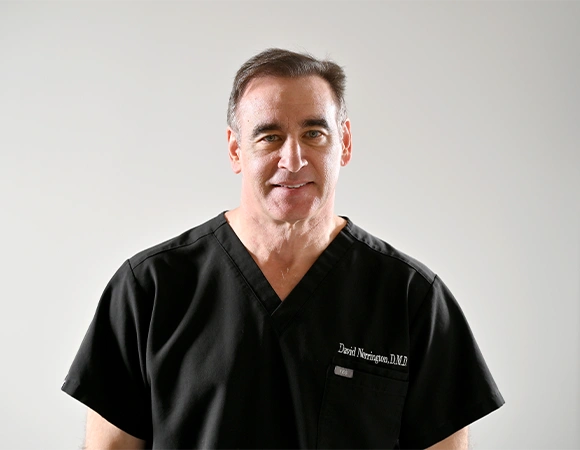
Dr. David W. Norrington, DMD

Dr. David W. Norrington

DMD · Endodontics

Engineering background from Georgia Tech. DMD, Medical University of South Carolina — finished top of his class. Endodontic residency at the University of Alabama. Private practice since 2007.

ADA · AAE member

Meet Dr. Norrington →
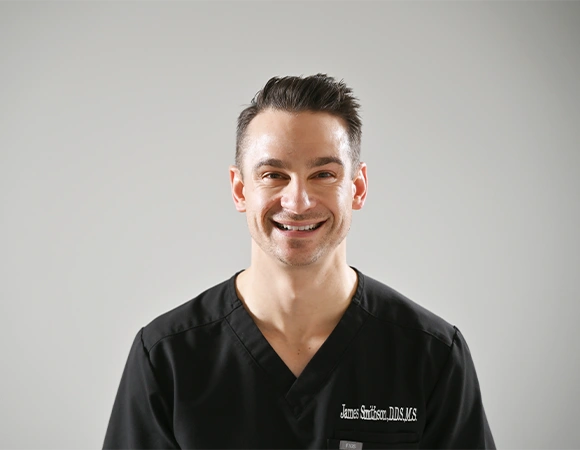
Dr. James A. Smithson II, DDS, MS

Dr. James A. Smithson II

DDS, MS · Endodontics

MS and Specialty Certificate in Endodontics. Limits daily caseload to deliver focused care. Uses cone beam CT, surgical microscopes, ultrasonic irrigation, and Ion Plus sealer on every case.

ADA · AAE member

Meet Dr. Smithson →

Dr. Jae I. Hwang, DDS

Dr. Jae I. Hwang

DDS · Endodontics

Chemical engineering background from Georgia Tech. DDS from Case Western Reserve. Completed an Advanced Endodontics Residency through the US Army. Served 26 years in the Army Dental Corps, retiring in 2021.

ADA · AAE member

Meet Dr. Hwang →
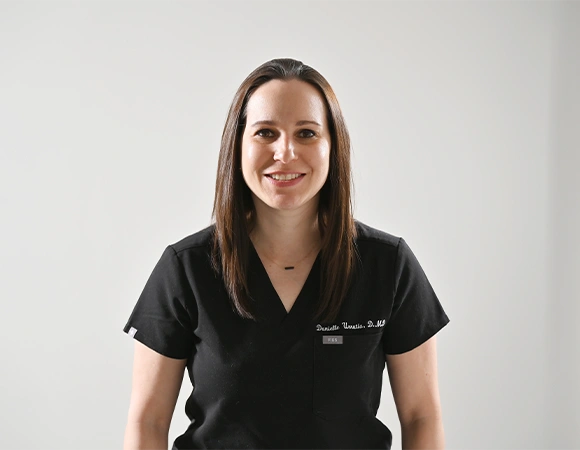
Dr. Danielle Urrutia, DMD

Dr. Danielle Urrutia

DMD · Endodontics

Undergraduate studies at FIU. DMD from LECOM dental school. General dentistry residency in North Carolina. Two-year Endodontic Residency at NYU Langone.

ADA · AAE member

Meet Dr. Urrutia →
We Handle Your Insurance.

QUESTIONS?

Call us at (770) 944-8822

Our team verifies your benefits, calculates your estimated portion, and files claims directly to your insurance company so there’s no surprises.