
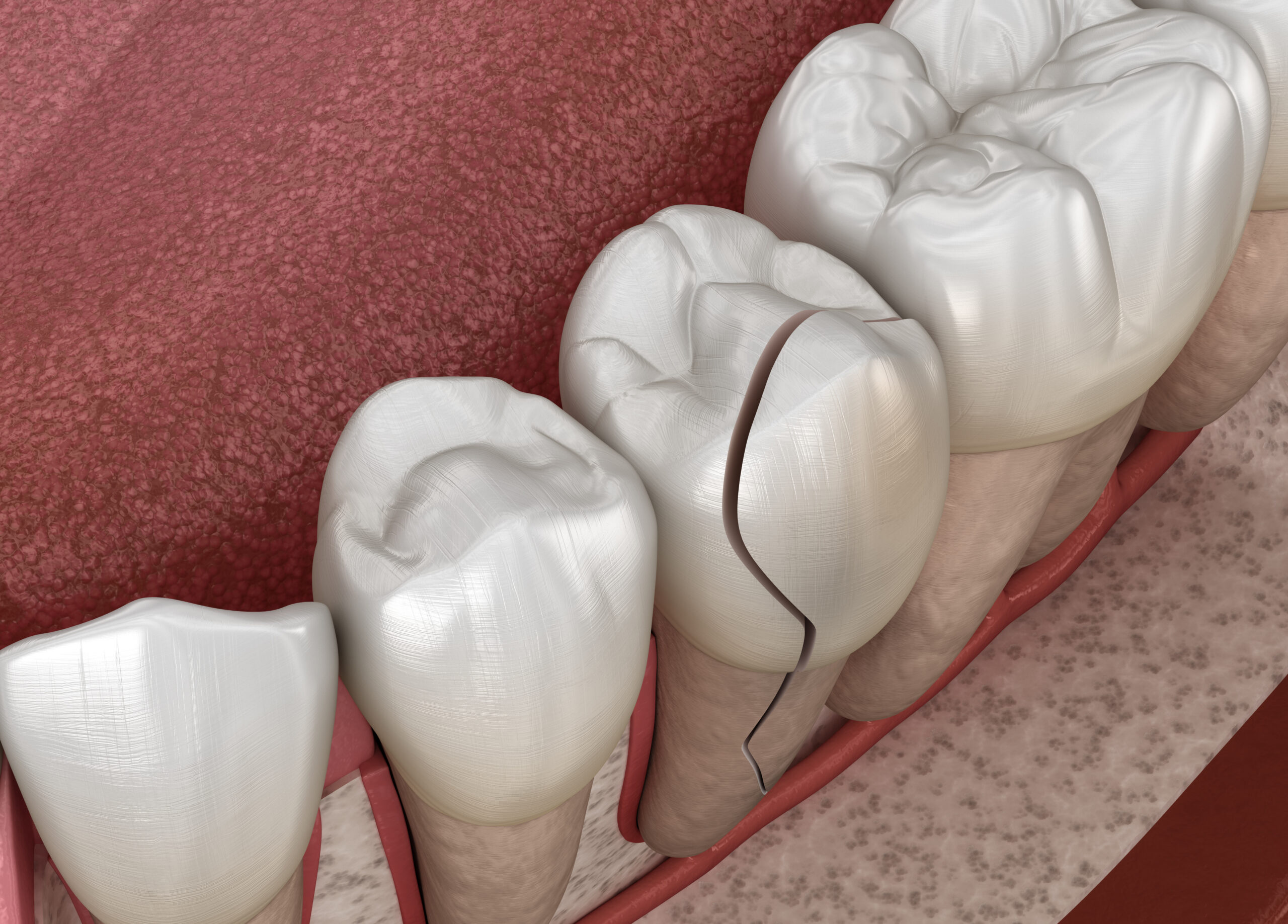
A basketball to the face. A hard fall on the playground. A car accident. Dental trauma happens in an instant, but the consequences can unfold slowly over weeks or even months. Your tooth might look fine on the outside, but inside, critical damage could be happening to the nerve and blood supply. Yes, a tooth can die after being hit, and recognizing the warning signs early can make the difference between saving your tooth and losing it.
At West Atlanta Endodontics, Dr. David Norrington and Dr. James Smithson II understand that dental emergencies don’t always announce themselves with dramatic symptoms. We help patients in Marietta and Cartersville identify and treat traumatic injuries before permanent damage occurs. Knowing what to watch for after dental trauma can protect your smile for years to come.
How Dental Trauma Can Kill a Tooth
Your tooth is more than just the hard enamel you see. Inside each tooth lies the pulp, a soft tissue containing nerves, blood vessels, and connective tissue. This pulp keeps your tooth alive and healthy. When trauma occurs, the force can damage or sever these delicate structures.
Sometimes the damage is immediate and obvious. Other times, the injury slowly compromises blood flow to the tooth over days or weeks. Without adequate blood supply, the pulp tissue begins to die. This process, called pulp necrosis, can happen even when your tooth appears completely normal from the outside.
According to the American Dental Association, keeping a knocked-out tooth moist and seeking immediate dental care gives you the best chance of saving it. Time is critical with dental emergencies. However, injuries that seem minor at first can still cause serious damage over time.
Immediate Signs Your Tooth Needs Attention
Some symptoms after dental trauma require urgent care. Seek immediate evaluation if you experience any of these issues:
- Tooth knocked completely out: Every minute matters. Keep the tooth moist by placing it back in the socket without touching the root, or store it between your cheek and gums. Contact your general dentist immediately for emergency treatment.
- Tooth pushed out of position: A tooth that’s been moved, tilted, or pushed deeper into the gum needs professional repositioning right away.
- Visible crack or chip: Even small cracks can expose the inner tooth to bacteria and cause infection.
- Severe pain: Intense, throbbing pain indicates significant damage to the nerve tissue.
- Heavy bleeding: Bleeding that doesn’t stop with gentle pressure requires immediate attention.
We offer same-day emergency appointments when you’re experiencing dental pain or trauma. Don’t wait to see if symptoms improve on their own. Early intervention gives us the best chance to save your tooth.
Delayed Warning Signs of a Dying Tooth
Not all dental trauma shows immediate symptoms. Sometimes teeth seem fine right after an injury, only to develop problems weeks or months later. Watch for these delayed warning signs that indicate your tooth may be dying.
Color changes are one of the most common indicators. A tooth turning gray, yellow, or dark may signal that the pulp inside is dying or already dead. This discoloration happens when blood cells break down inside the tooth. Increasing sensitivity to hot or cold temperatures can mean the nerve is damaged and inflamed. Pain when biting or chewing suggests possible root damage or infection developing.
Swelling around the tooth or a pimple-like bump on your gums indicates infection. This bump, called a fistula, forms when your body tries to drain infected material from inside the tooth. Looseness or mobility in a previously stable tooth can indicate root or bone damage from the trauma.
What Happens During an Endodontic Evaluation?
When you come to West Atlanta Endodontics for trauma evaluation, we conduct a thorough assessment of your injured tooth. This examination goes far beyond just looking at the visible damage. We check the tooth’s response to temperature and percussion to assess nerve vitality. Visual inspection reveals cracks, chips, or color changes you might have missed.
We take digital X-rays to examine the root structure and surrounding bone. Our cone beam CT imaging provides three-dimensional views when we need more detailed information about complex injuries. We will also test nearby teeth to ensure they weren’t affected by the trauma.
This comprehensive evaluation helps us determine whether your tooth is still viable or if the pulp has been compromised. Based on our findings, we recommend the most appropriate treatment to save your tooth.
What Are Treatment Options for Traumatized Teeth?
Treatment depends on the extent and type of injury to your tooth. For teeth with vital but inflamed pulp, we may recommend monitoring with regular follow-up appointments. If the pulp dies but infection hasn’t spread, root canal therapy can remove the dead tissue and save the tooth structure.
Teeth with developing roots in young patients may qualify for a procedure called apexification. This treatment encourages the root tip to close and strengthen. For teeth with previous root canals that develop problems after trauma, endodontic retreatment may be necessary.
In some cases, a tooth may have a crack that extends below the gum line. Cracked teeth present unique challenges and may require specialized treatment or, in severe cases, extraction. Our goal is always to preserve your natural tooth whenever possible.
Trust Your Tooth Trauma to Experienced Endodontists
Dr. David Norrington brings an engineering background from Georgia Tech to his endodontic practice, applying problem-solving skills to complex dental challenges. Dr. James Smithson II shares this commitment to precise, careful treatment. Both doctors use advanced technology including surgical microscopes and cone beam CT imaging to accurately diagnose and treat traumatic injuries.We limit our practice to six root canals per day, giving us the time to thoroughly evaluate your situation and provide attentive care. Although we’re out-of-network with insurance companies, our staff calculates your insurance benefits so you only pay your estimated portion upfront. We serve patients in Marietta, Cartersville, and the surrounding metro Atlanta area. Contact West Atlanta Endodontics immediately after dental trauma. Whether your injury just happened or you’re noticing delayed symptoms, we’re here to help you save your tooth and protect your smile. West Atlanta Endodontics
Dr. David Norrington brings an engineering background from Georgia Tech to his endodontic practice, approaching complex cases with analytical precision. Dr. James Smithson II shares this commitment to thorough, careful treatment. Both doctors use advanced technology including cone beam CT imaging, surgical microscopes, and ultrasonic irrigation to diagnose and treat failed root canals accurately.We limit our schedule to six root canals per day, giving us adequate time to focus on each patient and address complex situations properly. Our Marietta and Cartersville locations offer same-day emergency appointments when you’re experiencing pain. Although we’re out-of-network with insurance companies, our staff calculates your insurance benefits so you only pay your estimated portion upfront. Contact West Atlanta Endodontics if you’re experiencing symptoms that suggest your root canal may have failed. We’re here to evaluate your tooth and discuss the best options for saving it.